

New York is a city defined by motion — ambition buzzing through crowded sidewalks, dreams rising with every new skyscraper piercing the skyline. But sometimes the most powerful stories are not found in the rush of the city, but in the quiet, hidden corners of ordinary life. Losing Richard, a memoir by Julie Maxwell, brings one such story to the forefront: a deeply moving chronicle of love, resilience, and the slow, devastating unraveling of a brilliant mind.
This is not a celebrity scandal or a political exposé. It is something more intimate — a powerful human story that echoes through every borough, every neighborhood, every home touched by dementia.
A love story that began with electricity — and ended in silence
The memoir spans decades, beginning with a cinematic encounter in a Baltimore apartment elevator. Julie was young, lively, newly returned from Paris with a heart full of art and possibility. Richard was charismatic, sharp, and full of dreams. Their first meeting felt fated, a spark strong enough to alter the course of both their lives.
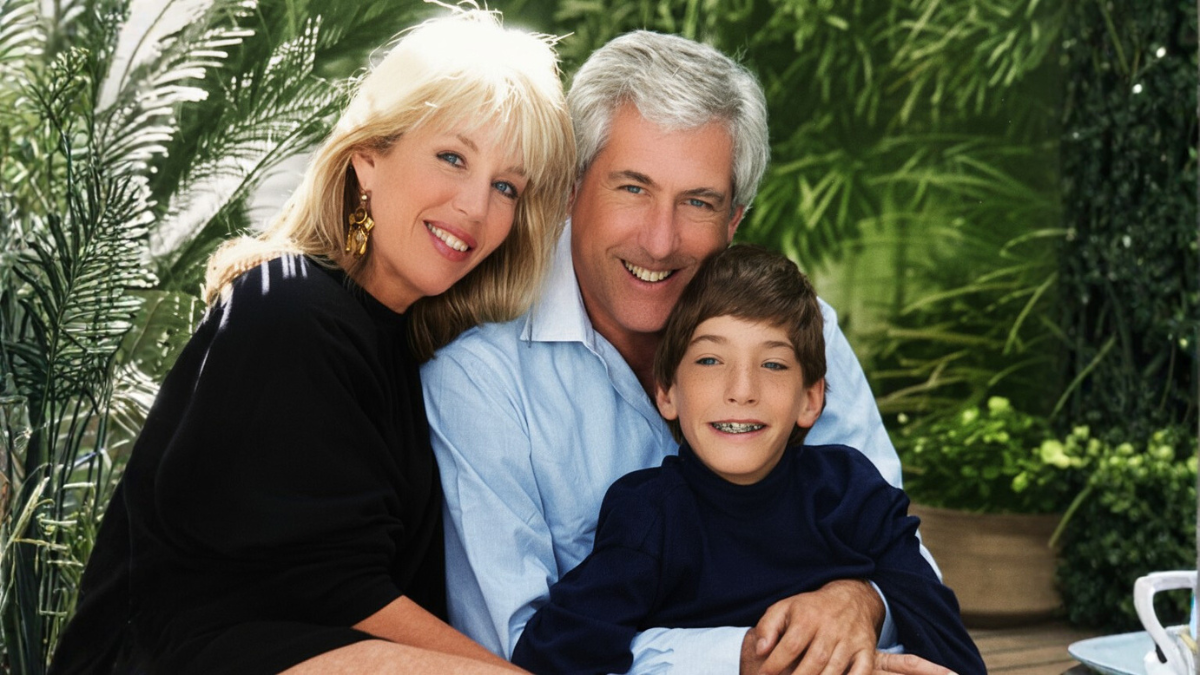
Their marriage unfolded like something out of a classic New York love story — ambitious, intellectual, worldly. She was an artist and teacher; he was a rising executive with an eye for opportunity and a mind built for innovation. They traveled the world, raised a son with extraordinary strength, and navigated every twist of life as a team.
From Paris to California, from Yosemite summers to business meetings in Hong Kong, their story carried all the hallmarks of a life richly lived.
But the beauty of their life together only deepens the heartbreak of what came next.
The moment everything shifted — and the world tilted
Maxwell writes of the first sign with haunting clarity: one morning, returning from the grocery store, she found Richard staring blankly at a countertop. Not confused — empty. Disconnected. A look of absence where a world of expression once lived.
When she asked where their puppy’s leash was, he replied, “I lost it,” unable to explain what happened or how.
It was the moment her heart dropped.
The moment dementia quietly announced itself.
The moment her entire world shifted.
For New Yorkers who have watched a parent, spouse, or friend slip away in slow motion, this moment is painfully familiar. It is the kind of detail that hits harder than any medical diagnosis.
A brilliant mind, slowly dimmed
Richard had once thrived in the high-pressure world of business — traveling internationally, launching innovative companies, and revolutionizing sustainability long before it was a corporate buzzword. He read voraciously, debated passionately, and navigated the complexities of global markets with ease.
But dementia steals brilliance in the quietest ways.
Richard began losing his interest in politics — a shift so out of character, Julie knew something was terribly wrong. He stopped reading long articles. He stopped following the world he once devoured. His capacity for conversation shrank, not overnight, but through a thousand tiny fractures.
Crowded rooms overwhelmed him.
Restaurants became confusing.
Trips became disorienting.
Even walking into a friend’s home felt foreign to him.
As Julie writes, “He still smiles. He still enjoys art. He still loves a good meal. But the world is shrinking around him.”
A city familiar with loss finds itself in these pages
The pandemic deepened the isolation. Richard lost a major consulting opportunity when global shipping lines collapsed. Friends disappeared behind closed doors. The world grew smaller, faster.
For caregivers in New York — many of whom spent the pandemic caring for vulnerable family members in cramped apartments with limited support — Maxwell’s story is a visceral reminder of the emotional labor no one sees.
The memoir captures the exhaustion of decision-making, the loneliness of watching someone change, and the burden of becoming both partner and protector. But it also captures the love — the fierce, stubborn, beautiful love that refuses to break even as memory does.
The tragic parallel: losing her son before losing her husband
Complicating the heartbreak is another tragedy woven throughout the memoir — the loss of their son, Nick, an extraordinary disability rights advocate whose passion lit up Berkeley and the Bay Area. His death left a void no parent can fill, and in many ways accelerated Richard’s decline.
Julie captures these memories with a tenderness that brings the reader to tears. Even as dementia stole Richard’s clarity, he still recognized the name of his son — a flicker of memory that Julie holds onto with everything she has.
A story that transcends diagnosis
What makes Losing Richard so powerful is not the illness itself, but the portrait of marriage it paints:
the kind that endures
the kind that bends without breaking
the kind that evolves even in the face of unimaginable change.
Maxwell does not portray herself as a hero. She writes with vulnerability, admitting her fear, exhaustion, and moments of doubt. She does not glorify caregiving; she humanizes it.
In doing so, she gives voice to millions.
A New York story — because it’s everyone’s story
This is a memoir for Manhattan nurses, Brooklyn families caring for aging parents, Queens couples navigating illness behind closed doors, and Bronx neighbors who step in when community is all that remains.
It’s a reminder that behind every apartment window, behind every subway stare, behind every hurried footstep, someone is carrying a burden we cannot see.
And sometimes, the greatest stories in New York are the quiet ones — the stories of ordinary people fighting extraordinary battles with love as their only weapon.
