Parenting in the Digital Cortex: How Screen Time, Dopamine, and Executive Function Collide in Childhood
Psychotherapist Dr. Crystal Collier shows how screen time reshapes kids’ brains—and how parents can set healthier, science-based boundaries.


Psychotherapist Dr. Crystal Collier shows how screen time reshapes kids’ brains—and how parents can set healthier, science-based boundaries.
Diet sodas, favored by celebrities like Donald Trump and Taylor Swift, are garnering attention for their potential role in weight loss, with recent TikTok videos citing studies suggesting they may outperform water in this regard.
For decades, scientists have sought to unravel the complexities of the brain’s memory storage system, particularly how new information is cataloged without erasing existing memories.
Surgery continues to be the most effective option for weight loss, according to a recent study that indicates patients undergoing bariatric procedures shed considerably more pounds than those using the latest GLP-1 medications aimed at obesity.
Sushma Bhanot bridges science and holistic care to empower women, redefine wellness, and advocate for culturally inclusive health systems.
A raw memoir about surviving trauma, letting go of shame, and finding clarity without closure. Trauma’s Worth shows the beauty in what’s broken.
Dr. Christine Charyton merges neuroscience and strategy to redefine leadership, creativity, and innovation across sectors—from boardrooms to farms.
Dr. Guadagnino’s new book shares simple, science-backed fitness habits for anyone over 50—proving age is no limit to strength and vitality.
A recent study has leveraged machine learning techniques to identify the health and lifestyle factors that most significantly impact cognitive performance throughout life.
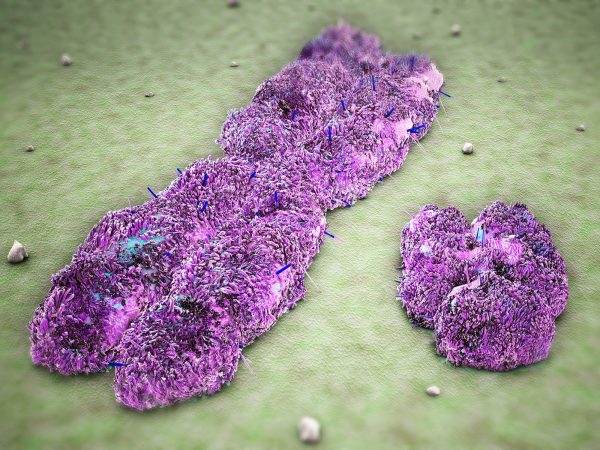
High-school biology presents a straightforward rule: two X chromosomes indicate a girl, while an X paired with a Y indicates a boy.