

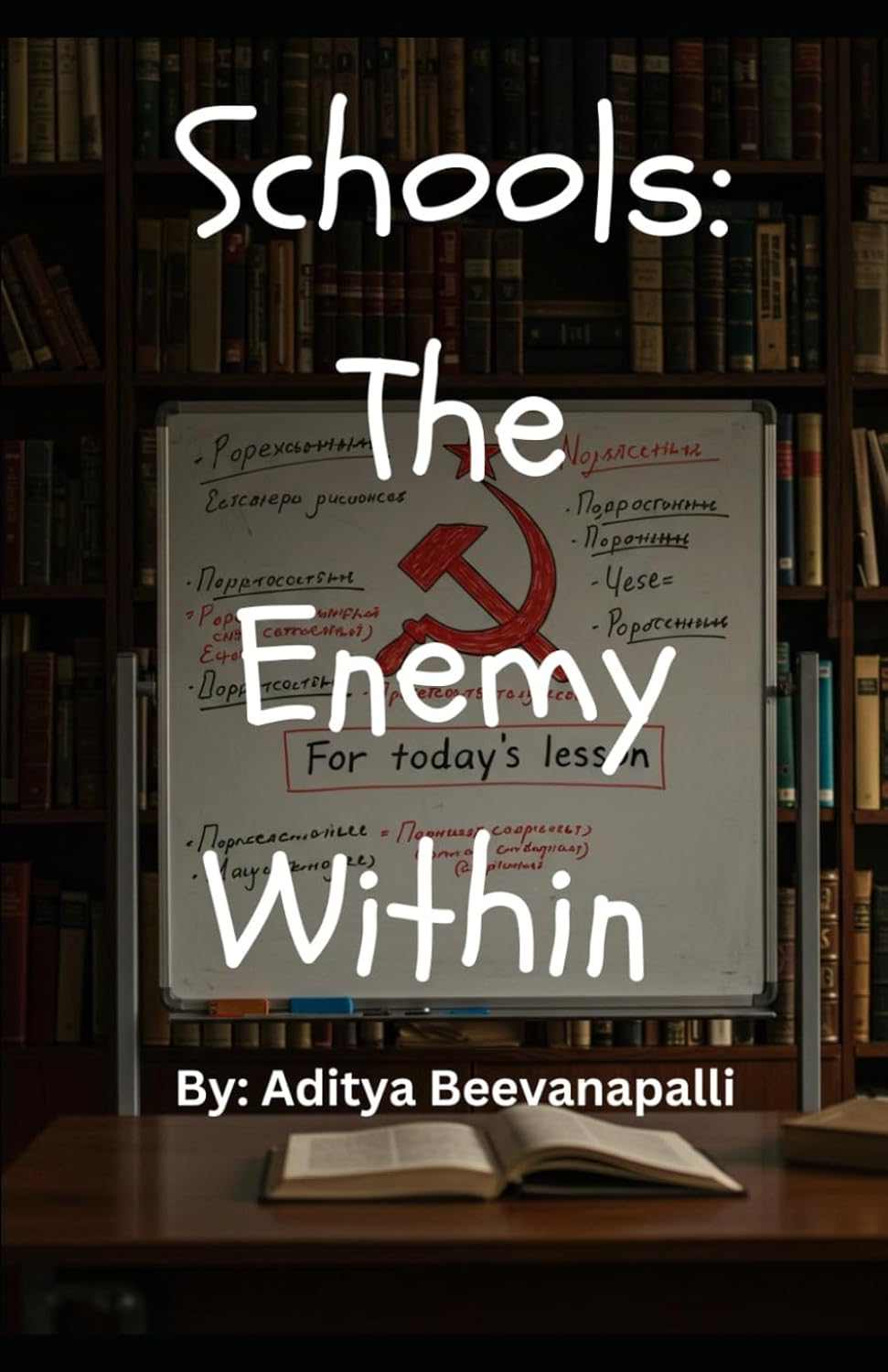
Every generation faces its own defining challenges, but few could have predicted that one of the greatest threats to children today would emerge from the very place designed to protect and nurture them: the classroom. Once a haven for curiosity, imagination, and growth, many schools have quietly shifted into emotionally charged environments where adult politics, ideological battles, and institutional agendas overshadow the needs of the students they serve.
The loudest conversations surrounding education today revolve around curriculum, policies, budgets, and standardized testing. But beneath these debates lies an invisible crisis, one affecting the emotional well-being, identity development, and psychological safety of millions of children. While adults argue, children absorb the consequences.
At the heart of this crisis is the growing presence of adult-level political discourse in classrooms. What may appear to be “awareness education” often becomes overwhelming for young minds still developing the ability to process nuance. Children, unlike adults, do not have the emotional maturity to separate fact from persuasion. A teacher’s tone, a classroom discussion, or a single lesson can reshape how a child sees themselves, their family, their values, or the world.
The most troubling impact is the emotional confusion it creates. Children are naturally impressionable; they want to please adults, belong socially, and earn approval. When politics enter the classroom, children often internalize these messages without question, not because they fully understand them, but because they trust the authority delivering them. Over time, this can reshape their identity in ways that conflict with the beliefs and values learned at home.
This internal conflict becomes a silent burden, one children rarely verbalize.
A second hidden impact is the rise of emotional trauma originating from the classroom environment itself. While conversations about “school trauma” often focus on bullying, many forget the emotional harm caused by biased discipline, teacher favoritism, public shaming, or subtle forms of psychological manipulation. A single humiliating moment can alter a child’s confidence for years.
Children who experience emotional harm at school often become quieter at home. Their behavior changes, some become withdrawn, others become irritable or anxious. Parents sense something is wrong but struggle to uncover the truth because children often fear retaliation at school for speaking up.
The emotional toll deepens when schools dismiss or minimize these experiences. Many families report being told to “trust the system,” “let teachers handle it,” or “stop overreacting,” even when their child’s mental health is clearly deteriorating. This creates a cycle of silence, where children suffer quietly while adults debate bureaucracy.
But perhaps the most damaging impact of all is the breakdown of trust, the trust between children and teachers, parents and schools, and families and educational leadership. Trust, once broken, is not easily repaired. And when it erodes inside a school environment, the ripple effects follow a child throughout their academic life and beyond.
Yet despite this growing crisis, hope remains. More parents today are aware, engaged, and unwilling to ignore the emotional experiences of their children. They are asking deeper questions. They are requesting transparency. They are advocating for reform based on lived experiences rather than political rhetoric.
Likewise, many teachers, the ones who truly care, are speaking out about pressures placed on them to deliver content they do not believe is appropriate. They, too, feel the emotional weight of a system shifting away from child-centered priorities.
The path forward begins with acknowledging what children actually need: emotional safety, stability, clarity, and boundaries. They need adults who lead with courage rather than fear. They need teachers who teach, not indoctrinate. They need administrators who prioritize children over politics. They need parents who listen deeply and advocate fiercely.
For real change to happen, schools must return to foundational principles. Education should be a place where children develop critical thinking not inherited ideology. A place where students feel safe to ask questions, disagree respectfully, and explore ideas without fear of judgment. A place where emotional well-being is valued as deeply as academic achievement.
Most importantly, children must be protected from the emotional fallout of adult conflicts. The political landscape may be complex, but childhood should not be. Kids deserve the space to learn, grow, and discover who they are without being pulled into the weight of societal battles.
The silent crisis unfolding inside schools is not just an education issue, it is a national one. It affects families, communities, and the country’s future. The emotional health of children cannot be an afterthought.
Their hearts, minds, and voices matter.
And it’s time for the adults in charge, all of us, to finally act like it.
Uncover more real stories about classroom politics and children’s emotional safety in Schools: The Enemy Within: https://a.co/d/1WnCqmg
